

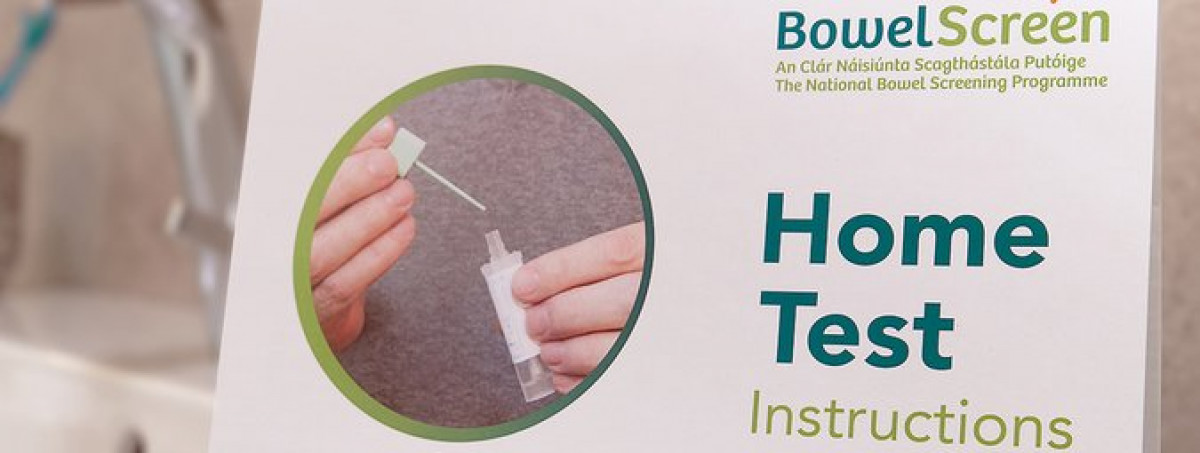
The Minister for Health’s approval on 14 April 2026 to extend BowelScreen to men and women aged 50 to 54 is the fifth expansion of the programme’s eligible age range since October 2023. The decision is grounded in a HIQA health technology assessment confirming the extension is clinically effective and cost-effective. For private providers with endoscopy capacity, it is a clear commercial signal.
The expansion deserves commendation. HIQA confirmed that BowelScreen is as accurate in the 50 to 54 cohort as in older groups and that earlier detection is likely to reduce bowel cancer deaths at an acceptable system cost. For private healthcare leaders, the strategic question is not whether the expansion is welcome but whether sufficient endoscopy infrastructure exists to deliver on it.
The colonoscopy capacity constraint is severe, well documented and growing. Irish Medical Times reported that in 2025, 6,660 patients needing urgent colonoscopy waited more than four weeks, a figure 84% higher than the previous year. BowelScreen already generates around 3,000 colonoscopy referrals annually following positive at-home tests. Every additional age cohort increases that referral volume. The public hospital system cannot absorb this expansion without private sector involvement.
Private health insurers are already tracking this demand. The Insurance Ireland and Milliman report, published December 2025, confirms that private health insurance paid out over €3 billion in claims in 2024, with diagnostic endoscopy among the fastest-growing categories across the 2.55 million-strong insured population. The 50 to 54 age group sits squarely within the working-age insured demographic. Many in this cohort will receive a BowelScreen positive result and, facing a public colonoscopy wait of more than four weeks, will exercise their private insurance entitlement to access faster investigation and treatment.
The NTPF outsourcing pathway provides a second revenue channel. The National Cancer Strategy 2017 to 2026 identified colonoscopy access as a system-wide constraint, and the NTPF has an established mechanism for commissioning private endoscopy capacity. With the strategy expiring at the end of 2026 and a successor being developed, the policy window for embedding private capacity into a formal framework is open. Providers that demonstrate throughput and clinical quality now will be best placed under the next strategy.
Three actions will position private providers to capture this opportunity. First, audit endoscopy suite capacity and model the throughput required to serve both insured BowelScreen referrals and NTPF-commissioned patients across the six HSE Health Regions. Second, engage with the HSE National Screening Service and the NTPF to register interest in outsourcing agreements before the next commissioning cycle. Third, brief insurers on colonoscopy capacity during plan renewal conversations, positioning private endoscopy access as a benefit that directly addresses the public wait.
BowelScreen’s expansion is a genuine public health achievement that will save lives. The challenge now is delivery. Globally, the evidence is consistent: population-scale screening programmes succeed when public and private endoscopy capacity work in tandem. Irish private providers that invest in colonoscopy infrastructure and engage with the commissioning framework now will define what successful delivery looks like for the decade ahead.
(The views expressed by the writer are his/her own and do not necessarily reflect the views or positions of BusinessRiver.)












.png)