
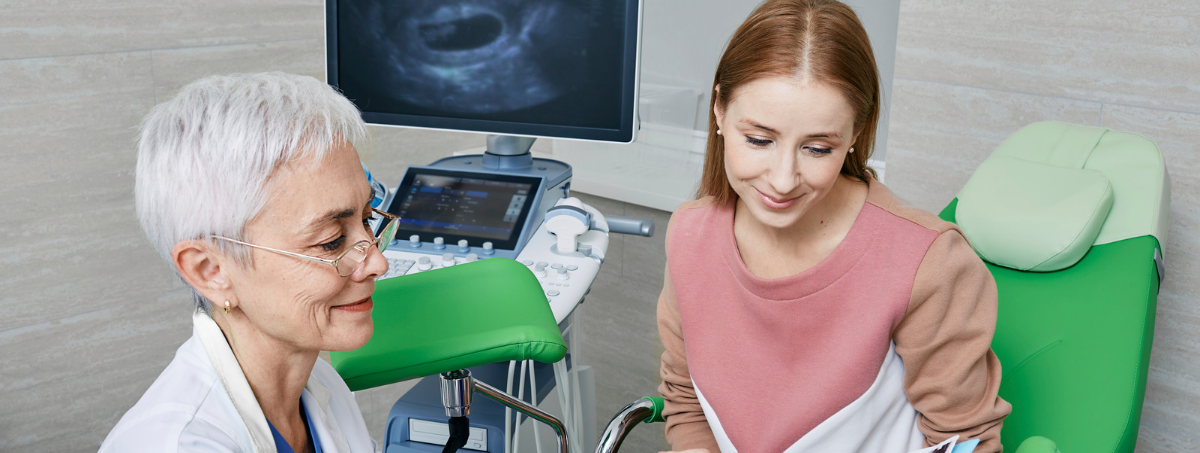
eGynaecologist, a private women’s healthcare clinic at 22 Harley Street in London, has strengthened its multidisciplinary operations with an integrated model combining same-week in-person appointments, same-day pelvic diagnostics and confidential at-home testing kits. The model targets the fragmented pathways patients often navigate between GPs, separate imaging facilities and external laboratories before reaching a diagnosis.
Consultations, imaging, non-invasive biomarker screening and post-procedure treatment pathways sit under one roof with direct sub-specialist consultant oversight, led by Consultant Gynaecologist Mr Javaid Muglu.
Doctor-performed ultrasound scans let patients review findings with their consultant immediately, rather than waiting days or weeks for external radiologist reports, so treatment plans can be set during the first appointment.
On-site diagnostics include endometriosis assessment using the Ziwig Endotest saliva panel alongside transvaginal and pelvic imaging, HE4 and CA-125 serum biomarkers with the WID-easy swab test for endometrial cancer risk, and BRCA and Lynch syndrome genetic panels for people with a family history of ovarian or uterine cancer. Colposcopy, diagnostic hysteroscopy and outpatient cystoscopy are performed in dedicated clinical suites without hospital admission.
The Ziwig Endotest analyses microRNA in saliva, and in a multicentre, manufacturer-funded study of 971 women it correctly identified endometriosis in 97.3 percent of those who had the condition. UK access is through private providers, with LivingCare in Sheffield charging £1,180 for the test.
“Specialist clinical evaluation and thorough diagnostic screening must never be delayed until symptoms become debilitating,” said Mr Javaid Muglu, consultant gynaecologist at eGynaecologist.
The clinic’s Green Pathways framework links in-person sessions with secure video appointments and discreet self-collect home kits covering menopause hormone profiling, intimate feminine health and STI screening, reducing unnecessary travel across Greater London.
Patients can self-refer without a preliminary GP letter, with weekday, evening and weekend appointments available to self-pay and privately insured patients, who can book through the clinic’s online platform.
The structural driver is delayed diagnosis, with reproductive and endocrine conditions including endometriosis, adenomyosis, PCOS, uterine fibroids and perimenopausal hormonal shifts often developing for some time before patients obtain an accurate diagnosis.
For the sector, the model shows private women’s health clinics bundling consultation, imaging and screening to shorten the route from symptoms to treatment.









.png)